Lovely Cute Font: Handmade Charm for Craft Projects
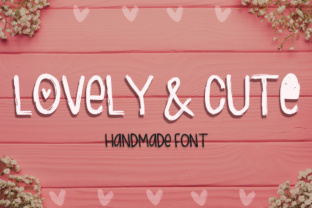
As the most romantic day of the year approaches, my design desk is currently covered in swatches of blush pink paper, heart-shaped confetti, and endless drafts of Valentine’s packaging. When you are a maker or a small shop owner, this season brings a specific kind of creative fever. We need typefaces that capture warmth without looking generic, and charm without sacrificing legibility. This is exactly where the Lovely Cute font collection shines. As a 3-pack of handmade fonts, it offers that perfect blend of goofy, cheesy, and genuinely lovely aesthetics that customers adore on physical products.
For those of us creating tangible goods—from wax seals to vinyl decals—typography is not just about reading; it is about feeling. A premium font like Lovely Cute bridges the gap between digital design and handmade authenticity. It belongs to the Script Amp category but carries a unique personality that sets it apart from standard calligraphy. Whether you are designing wedding stationery, updating your Etsy shop branding, or cutting stickers for a seasonal sale, understanding how to leverage these three distinct styles can elevate your product line significantly.
Translating Digital Charm to Physical Products
The true test of any creative font is how it performs once it leaves the screen. Lovely Cute was designed with a handmade sensibility, meaning the strokes mimic natural penmanship rather than rigid vector lines. This organic quality is essential for crafters because it adds perceived value to mass-produced items. When I use this typeface on candle labels or ceramic mug designs, it signals to the customer that care went into the creation process.
Because this is a 3-pack, you have versatility at your fingertips. One style might be a bolder, more playful script ideal for display use on tote bags or sweatshirts, while another could be a lighter, airier handwritten font perfect for delicate greeting cards. Having multiple weights and styles within one cohesive family allows for brand consistency across different product types. You can use the heavier weight for your shop logo and packaging headers, then switch to the lighter variation for thank-you notes and product tags, ensuring your brand identity remains recognizable yet adaptable.
Practical Applications for Makers and Sellers
When integrating Lovely Cute into your production workflow, consider these high-impact applications where its cute and goofy style truly resonates:
- Seasonal Packaging: Use the boldest style for "Happy Valentine's Day" belly bands on soap boxes or tissue paper stamps. The playful nature of the font makes unboxing feel like receiving a gift from a friend.
- Wedding Stationery: While often associated with romance, this font avoids stuffy formality. It is excellent for modern, whimsical weddings, particularly for welcome signs, seating charts, or cocktail napkins where readability and fun are priorities.
- Vinyl Decals and Stickers: For Cricut and Silhouette users, the hand-drawn aesthetic cuts beautifully. Ensure you weld overlapping letters properly in your software to maintain the integrity of the handmade look without fragile connection points.
- Printable Wall Art: Create affirmation prints or nursery decor. The softness of the letterforms pairs exceptionally well with watercolor backgrounds or minimalist line art illustrations.
- Boutique Tags: Elevate simple kraft paper tags by stamping or printing product names in Lovely Cute. It transforms basic inventory labeling into a branded experience.
Readability and Cutting Machine Considerations
A beautiful script font is useless if it cannot be read on a small label or cut cleanly on a machine. With Lovely Cute, the balance between decorative flair and functional clarity is evident, but makers must still be mindful of scale. For product labels under two inches, avoid using the most ornate swashes. Instead, utilize the cleaner alternates included in the set. Legibility drives sales; if a customer cannot instantly read "Lavender Vanilla" on a candle jar, the cute typography has failed its commercial purpose.
For those cutting adhesive vinyl or heat transfer vinyl (HTV), test your weeding process. Handwritten fonts sometimes have varying stroke widths. If you are applying these designs to textured surfaces like canvas tote bags or wood signs, ensure the thinner strokes are thick enough to adhere properly. In design software, adding a slight offset or stroke can reinforce delicate areas without compromising the font's inherent charm. Always do a test cut on scrap material before committing to a full production run, especially when working with new display font assets.
Mastering Font Pairings for Professional Results
To make Lovely Cute work commercially, you must pair it correctly. Because this typeface has so much personality, it demands a supportive partner that grounds the design. Avoid pairing it with other highly decorative scripts, as this creates visual clutter and reduces readability.
Instead, opt for a clean sans serif font or a classic serif font for body text and secondary information. For example, if you are designing a wedding invitation suite, let Lovely Cute handle the couple’s names and the phrase "Invite You To Celebrate," while using a simple, modern sans serif for the date, time, and venue details. This contrast highlights the beauty of the script while ensuring all logistical information is instantly scannable. In packaging design, this hierarchy guides the eye: the emotional hook comes first via the script, followed by the practical details in the supporting typeface. This strategy is crucial for effective logo design and web design mockups where user experience matters as much as aesthetics.
Navigating Licensing and Commercial Use
As business owners, protecting our shops means respecting intellectual property. Before listing any item featuring Lovely Cute, thoroughly review the licensing agreement included with your download. Most premium font licenses distinguish between personal use and commercial use. Typically, using the font to create physical end-products like mugs, shirts, and printed cards is permitted under a standard commercial license. However, selling digital templates where the font remains editable, or redistributing the font file itself, usually requires an extended or special license.
Additionally, check for multilingual support and OpenType features. Knowing whether the font includes ligatures, alternate characters, or accented glyphs can save hours of frustration during client projects. If you are designing for international markets or bilingual events, confirming language support upfront ensures your final product maintains its professional polish. Keeping your font library organized and your licenses documented is just as important as the creative process itself; it ensures your handmade business remains sustainable and compliant.
Ultimately, Lovely Cute offers more than just pretty letters; it provides a toolkit for emotional connection. In a marketplace saturated with AI-generated imagery and sterile corporate branding, the imperfect, human touch of a handmade font resonates deeply with buyers. By applying these practical strategies regarding readability, pairing, and application, you can transform this 3-pack into a cornerstone asset for your creative business, making every label, sign, and card feel authentically crafted.